|
|
|
|
Columbus Ohio Sports Medicine
Thursday, May 19th, 2011
Cycling season officially began last month and even though cycling is a low-impact activity, injuries do occur. Many staff members at Orthopaedic Associates of Zanesville participate in charitable bike races or just cycle for fun, but can result in some of the most common summer sport injuries.
Whether you’re a cycling pro or a novice, it’s important to have your bicycle properly adjusted to your body. To prevent cycling injuries, include a warm-up in your cycling routine. Five to 10 minutes of easy riding will increase blood flow to muscles, increase muscle temperature and increase joint range of motion.
Like runners, cyclists can experience knee pain or injuries. Knee injuries and conditions include iliotibial band friction syndrome, patellofemoral pain syndrome, chondromalacia, osteoarthritis of the knee, patella tendonitis, hamstring tendonitis and bursitis.
Knee injuries often develop gradually and can be caused by bike set-up, training errors and muscle imbalance. Common bike set-up mistakes are having the seat too high or low or the pedals are misaligned. If you’re a beginner, have a coach or experienced cyclist help to set up the bike correctly. Muscle imbalances are often between the quadriceps and hamstrings. To prevent injury, stretch the strong muscle group and strengthen the weak muscle group.
Other cycling injuries include lower back pain, sciatica, quad or hamstring strain, carpal tunnel syndrome and ulnar neuropathy.
Like warming up, a cool down is important because it helps to lower the heart rate, remove waste products such as lactic acid, circulate blood and oxygen to muscles and helps reduce the risk of muscle soreness.
Tags: Columbus Ohio Sports Medicine, Ohio Orthopedic, Ohio Sports Injuries, Ohio Sports Medicine, Summer Sport Injuries, Summer Sports Posted in Recent News | Comments Off
Tuesday, April 26th, 2011
Spring is here and that means baseball season is starting up for little leaguers, high school students and adults. The most common injuries from baseball are joint sprains, muscle and tendon strains and broken bones.
Musculoskeletal injuries include pitcher’s elbow, ankle sprains or fractures, shoulder sprains, and foot and back injuries.
The expert surgeons and staff at Orthopaedic Associates of Zanesville describe injuries commonly associated from playing baseball:
• Pitcher’s elbow – This is caused by overuse/repetitive throwing and is an inflammation of the elbow joint.
• Ankle sprains and fractures – Batting and throwing aren’t limited to the upper body but also to the lower body. Twisting the wrong
way, getting hit with a piece of equipment or even sliding into base can cause a sprain or even a break.
• Shoulder sprains– This injury happens from throwing and catching the ball and overexerting oneself while at bat.
• Foot injury – Wear proper footwear when playing baseball. Sneakers don’t always protect against foot injuries like stubbed toes or
getting hit in the foot with a bat or ball.
• Back injury – Catching or picking up balls, bending to catch a low ball or jumping at an abnormal angle can all cause back injuries.
Flexibility is key to preventing injuries. Warm up the muscles and be sure to stretch them out after a game or practice. Play ball!
Tags: Columbus Ohio Sports Medicine, ohio athlete, Ohio Sports Injuries, Orthopaedic Associates of Zanesville, Orthopaedic surgeon Posted in Recent News | Comments Off
Tuesday, February 15th, 2011
Sledding is commonly associated as a fun family activity that requires little athletic ability, however, the orthopaedic surgeons at Orthopaedic Associates of Zanesville have seen bone and joint injuries resulting from sledding.
Collisions cause the majority of sledding injuries. Common injuries from sledding accidents are fractures and sprains caused from collisions. Arm, hand, leg, and foot injuries also can occur when trying to stop the sled or if you are being thrown off the sled.
When heading out to sled, the area should be clear of trees and other obstacles. Be aware that the sledding hill doesn’t cross any roads, parking lots, or frozen water.
Here are some additional tips from the American Academy of Pediatrics to prevent sledding injuries:
- Wear a helmet. Sled speeds can reach 20-25 mph.
- Adult supervision should be constant. More than 71 percent of unsupervised accidents result in injuries.
- Sit facing forward. It’s easier to steer the sled.
- Roll off the sled if it won’t stop or might hit something.
- Sleds should never be ridden if attached to a moving vehicle.
Tags: Columbus Ohio Sports Medicine, Ohio Orthopaedic Surgeon, Ohio Sports Injuries, Ohio Sports Medicine, Winter Sports Injuries Posted in Uncategorized | Comments Off
Tuesday, February 8th, 2011
The orthopaedic surgeons at Orthopaedic Associates of Zanesville would like to share some helpful hints for preventing wrist injuries while snowboarding.
Snowboarding is one of the most popular winter sports and the upper body takes a majority of the injuries from snowboarding tumbles. Snowboarders most often fall on their hands, shoulders or bottom putting pressure on the wrist to break a fall.
A wrist fracture is the most common snowboarding injury. Other common injuries include wrist sprains, elbow contusions and dislocations.
For beginner snowboarders, always purchase safety gear like wrist and elbow guards to protect those parts of body. For any beginner snowboarder, it’s advisable to take lessons and learn the proper technique to avoid injuries.
Tags: Columbus Ohio Sports Medicine, Ohio Orthopaedic Surgeon, Ohio Sports Injuries, Ohio Sports Medicine, Winter Sports Injuries Posted in Recent News | Comments Off
Tuesday, February 1st, 2011
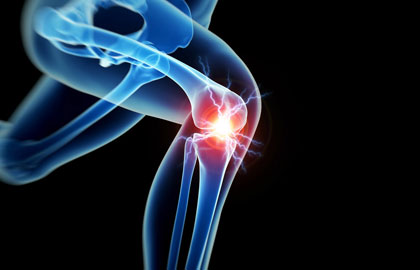
The experienced surgeons and expert staff at Orthopaedic Associates of Zanesville, see many knee injuries resulting from playing sports like skiing, snowboarding, running, football, basketball and hockey. Knee injuries are most common in people who are active in sports.
It’s advisable to choose activities and sports wisely and that the activity is suitable for your knee strength. If you have had a knee injury or past pain, stick with activities that have low impact on the knees such as walking, swimming, baseball and cross country skiing.
No matter what the activity, people should wear knee protection like compression bandages or for more intense sports, wear hard kneepads.
Strong muscles around the knee, like thigh (quadriceps) and hamstring muscles, help to create balance, stretching warms up the muscles. Other warm up activities should concentrate on building balance, power and agility.
If you begin to feel knee pain don’t push it. After you’re done exercising or participating in an activity, apply ice to reduce swelling and increase blood flow.
Know your body. The most common sign of a knee problem is swelling. Swelling is caused when excessive fluid collects in the membrane of the knee capsule. The fluid is produced because of some sort of trauma or overuse to the area.
Tags: Columbus Ohio Sports Medicine, Ohio Sports Injuries, Orthopaedic surgeon Posted in Recent News | Comments Off
|
|
|