Orthopaedic Associates of Zanesville

Exercise

Hard Work Builds Bones

Monday, January 28th, 2013

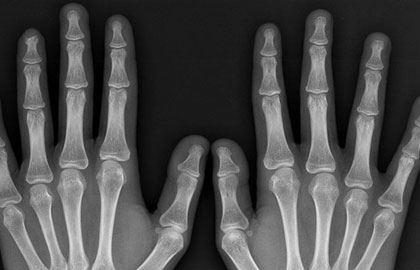
Exercise is key for people of all ages to create and maintain healthy bones and to prevent osteoporosis. Walk into any gym in American and you will see individuals trying to build muscle mass, but what a lot of those people don’t know is they are also building bone mass. Much like our muscles, bones are made up of living tissue, which can become stronger through exercise. Below are a few tips that can help maximize your bone-building efforts from a variety of sources, including National Institute of Arthritis (NIH).

• Exercise for at least 30 minutes, 3 times per week.
• Focus on weight-bearing exercises such as yoga, Tai Chi or golfing. These promote bone growth more than non-weight bearing activities such as swimming.
• Switch up your routine to keep your body moving in new ways, in turn, working different body parts.
• Listen to your body. Typical workout pain should not last longer than 48 hours.
• Supplement your workout with a healthy and balanced diet rich in calcium C and vitamin D.

At OAZ, our primary goal is to educate our patients on how to make the right choices for their bodies and their bones. If you or a loved one has suffered an orthopaedic injury, please schedule an appointment with one of our physicians by visiting our website or calling 740-454-3273.

Stairway to Heavenly Health

Wednesday, February 15th, 2012

We all know taking the stairs can help take off the pounds, but it can also save you time. According to a study featured in a recent Men’s Health article, doctors saved nearly 20 seconds per trip when opting to climb a flight of stairs instead of riding an elevator. This new study was conducted in a six-story hospital, so it might apply to your office building.

Ronnie Guie, a Queens, New York native, changed his life by taking the stairs. Guie told the New York Times in 2009, he has the same waist size and weight range as his 17-year-old self. He credits his healthy lifestyle to rediscovering the stairs. A Preventative Medicine study found that after 12 weeks, people who regularly chose to climb the stairs:

  • Increased stamina
  • Cut nearly 2 percent off their waistlines
  • Lowered weight by 1 percent
  • Lowered blood pressure
  • Lowered “bad” LDL cholesterol

The Boston Public Health Commission encourages businesses to implement a “Take the Stairs” campaign, citing better retention of healthy employees and lower health care costs.

So the next time you have the option, take the stairs. It will not only save you time, but it might change your life.

Reflecting on New Year’s Resolutions

Wednesday, December 28th, 2011

As 2011 comes to an end and the holiday parties wrap-up, the thought of New Year’s resolutions is on everyone’s mind, even all of us at OAZ.

At the beginning of every new year, starting a new exercise regimen or even resurrecting an old regimen seems to be at the top of everyone’s New Year’s resolution list. Exercise not only improves our bodies but also improves our overall health. Since exercising is a common – if not the most common resolution, we have put together a list to make it easy and hopefully make you want to stick with the program.

1. Start out slowly but set measurable and achievable goals. Keep track of your progress.

2. Remind yourself daily. Add time at the gym to your calendar so it’s an appointment you won’t forget. Pack a gym bag for your car and leave walking shoes by the door as reminder.

3. Reward yourself with non-food items. If you accomplish a fitness goal, stay on track for an entire week/month or try a new exercise class (these are just a few suggestions), reward yourself with a massage or spa appointment, a movie, new clothes or new workout gear.

4. Take the time and money to invest in a good pair of athletic shoes with plenty of support. Replace your shoes when they loose support.

5. Start exercising with a friend or family member or join an exercise group or fitness class. If you attend a group exercise class and you are new, introduce yourself to the instructor. It is recommended to attend a group exercise class two or three times before deciding if you really like it or don’t like it. You need time to learn the steps and learn how the instructor teaches.

6. Start out slowly and don’t try to do too much. It is okay to either break up your exercise routine throughout the day into small chunks of time or to even just do what you think you can. Try walking for 15 minutes every day and adding a minute every week until you reach your maximum time goal.

7. You don’t need fancy equipment to get the job done. Stick to the basics like free weights, medicine balls, kettle bells and your own body weight.

8. Try to use multiple muscle groups, especially if you don’t have a lot of time. Combine exercises like squats with dumbbell shoulder presses.

9. Use whatever you can to get going, whether it is an iPod full of music, the goal of rewarding yourself after a committed week of working out or the desire to start a new exercise regime.

We hope you enjoyed our tips for starting a new exercise program in 2012. If you belong to a gym or start a new membership, ask the staff on hand to demonstrate how equipment works if you don’t know. Talk to your physician if you have questions about starting an exercise program.

Happy New Year from all of the physicians at Orthopaedic Associates of Zanesville!