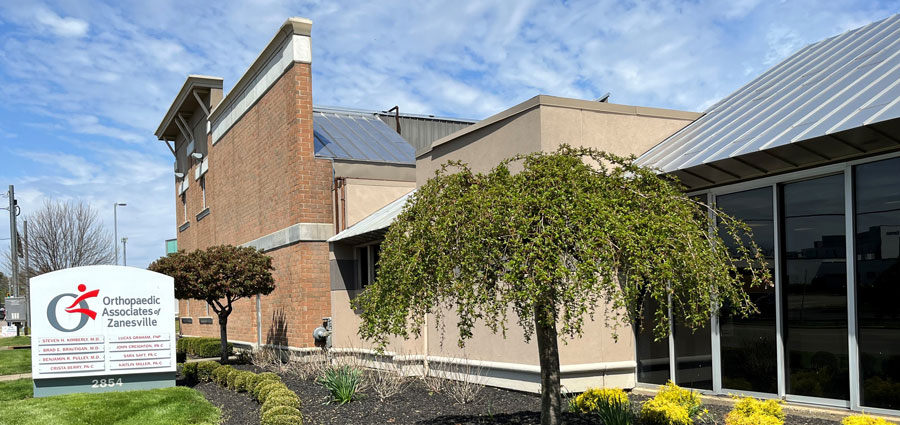
Orthopaedic Associates of Zanesville

Ohio Orthopedic

OAZ Talks Trail Running Injuries

Wednesday, July 27th, 2011

Trail running not only gives runners and joggers a beautiful, natural atmosphere, it also provides a great alternative to running on treadmills, streets and sidewalks. Running on dirt is also less shocking on the body, which can result in fewer injuries. However, while trail running may reduce injuries, it does not eliminate all injury risk. Orthopaedic Associates of Zanesville Ohio Sports Medicine experts share the five most common trail running injuries:

1) Knee Pain

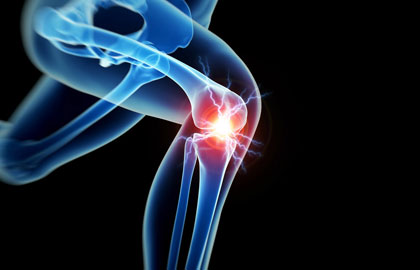
This is a common sports injury that can also occur when running on a treadmill or street; however, it can be even more severe when on a trail. The impact of running downhill can produce stress on the knee that is five to eight times your body weight. Since the knee absorbs most of the shock of the landing, downhill running makes your knee more susceptible to injury. Repetitive downhill running can increase the stress on your knees, which can result in inflammation and pain during non-running activities. The most important preventive measure trail runners can take is strengthening their quadriceps. If you’re new to trail running, you should gradually introduce your hill mileage. It’s also important to slow the pace when running downhill.

2) Ankle Sprains

Ankle sprains are a common injury among trail runners because the imperfections of the trail can cause an uneven landing. In addition to just having bad luck and missing a step, there are other reasons trail running can result in an ankle sprain.

As previously mentioned, do not run downhill too fast, especially with an extended stride that causes landing on the heel. Landing on the ball or your mid-foot will give

The body’s center of gravity and how far the runner’s foot lands in front of it is out of their control. Try to remember that the closer the foot lands under your center of gravity, the more stable you are. The longer the strides, the less stable you are because your foot is falling farther away from your center of gravity.

3 ) Achilles and Calf Strains

Running uphill frequently causes Achilles and calf strains. If you’re used to running with little or no elevation, you should approach hills slowly and not be afraid to walk up them. When running uphill, technique is also very important. Trail runners need to keep their stride short and lift their heels early.

4) Lower Back Pain

Lower back pain can result from lots of downhill running that causes the body to lean slightly backwards. The same way that knee pain results from the body’s absorption of five to eight times one’s body weight, the back can also absorb that weight and cause back pain. To prevent lower back pain from trail running, make shorter strides and land closer to your center of gravity. It is also important not to go full-speed ahead when tackling the downhills.

5) Shin Splints

Shin splints can happen at any time when someone is running, whether on a trail, treadmill or on the street. The muscles in the lower leg have two functions: one, to stabilize and two, to decelerate the foot and ankle during contact with the ground. Runners need the most stability when running on uneven surfaces, like when trail running. A runner also decelerates when running downhill. The uneven trail, plus steep downhills can causes shin splints.

Runners also need to be sure to wear the proper footwear when trail running. Trail running shoes have knobby soles and a lightweight, flexible, nylon layer to protect feet from possible puncture wounds.

As with any new sport, novice trail runners need to take it easy, be careful and ease into it.

Cycling and Your Body

Thursday, May 19th, 2011

Cycling season officially began last month and even though cycling is a low-impact activity, injuries do occur. Many staff members at Orthopaedic Associates of Zanesville participate in charitable bike races or just cycle for fun, but can result in some of the most common summer sport injuries.

Whether you’re a cycling pro or a novice, it’s important to have your bicycle properly adjusted to your body. To prevent cycling injuries, include a warm-up in your cycling routine. Five to 10 minutes of easy riding will increase blood flow to muscles, increase muscle temperature and increase joint range of motion.

Like runners, cyclists can experience knee pain or injuries. Knee injuries and conditions include iliotibial band friction syndrome, patellofemoral pain syndrome, chondromalacia, osteoarthritis of the knee, patella tendonitis, hamstring tendonitis and bursitis.

Knee injuries often develop gradually and can be caused by bike set-up, training errors and muscle imbalance. Common bike set-up mistakes are having the seat too high or low or the pedals are misaligned. If you’re a beginner, have a coach or experienced cyclist help to set up the bike correctly. Muscle imbalances are often between the quadriceps and hamstrings. To prevent injury, stretch the strong muscle group and strengthen the weak muscle group.

Other cycling injuries include lower back pain, sciatica, quad or hamstring strain, carpal tunnel syndrome and ulnar neuropathy.

Like warming up, a cool down is important because it helps to lower the heart rate, remove waste products such as lactic acid, circulate blood and oxygen to muscles and helps reduce the risk of muscle soreness.

Ortho Zane Talks Back Injuries

Thursday, May 12th, 2011

At one time or another you may experience minor back pain. Back problems occur from sports or recreational activities, work-related tasks or home projects and can impact the neck, all the way down to the tailbone.

The expert surgeons and staff at Orthopaedic Associates of Zanesville believe that injuries frequently occur when you use your back muscles in activities that you do not do very often.

Some people are more likely to have chronic back pain because of age, family history, sitting for long periods of time, lifting or pulling heavy objects incorrectly or from worn discs (degenerative disc disease).

Sudden injuries may take several weeks to heal properly and include:

• Sprains or strains
• Fractures
• Bulging or ruptured discs
• Compression of nerves

Sprain or strain Injuries occur most often from improper movement or posture while lifting, standing, walking, sitting or even sleeping. Symptoms may occur gradually or suddenly during everyday activities.

Southeast Ohio Orthopaedic Surgeons Support National Physical Activity Guidelines

Monday, July 19th, 2010

OAZ’s southeast Ohio Orthopaedic surgeons are pleased to see the National Physical Activity Guidelines recently released. The plan provides a roadmap to get people moving and meeting the recommended amount of activity. It addresses the behavioral, policy, educational, medical, and physical infrastructure issues that affect how and why many Americans are not moving. It also unites professionals across sectors – health care, transportation and urban planning, business, education and recreation – in a massive effort to unite and solve the problem.   

OAZ Ohio Orthopaedic Surgeons Demystify Arthoscopy

Monday, April 26th, 2010

Arthoscopy is a term you may have heard but don’t fully understand. The Ohio orthopaedic surgeons at OAZ explain this diagnostic procedure:

Arthroscopy is a surgical procedure orthopaedic surgeons use to visualize, diagnose, and treat problems inside a joint. In an arthroscopic examination, an orthopaedic surgeon makes a small incision in the patient’s skin and then inserts pencil-sized instruments that contain a small lens and lighting system to magnify and illuminate the structures inside the joint.

By attaching the arthroscope to a miniature television camera, the surgeon is able to see the interior of the joint through this very small incision rather than a large incision needed for surgery. The television camera attached to the arthroscope displays the image of the joint on a television screen, allowing the surgeon to look, for example, throughout the knee. This lets the surgeon see the cartilage, ligaments, and under the kneecap. The surgeon can determine the amount or type of injury and then repair or correct the problem, if it is necessary.

Arthroscopy is an extremely valuable tool for all orthopaedic patients and is generally easier on the patient than “open” surgery. Most patients have their arthroscopic surgery as outpatients and are home several hours after the surgery.

If you have questions about arthroscopy, contact the Ohio orthopaedic surgeons at OAZ.