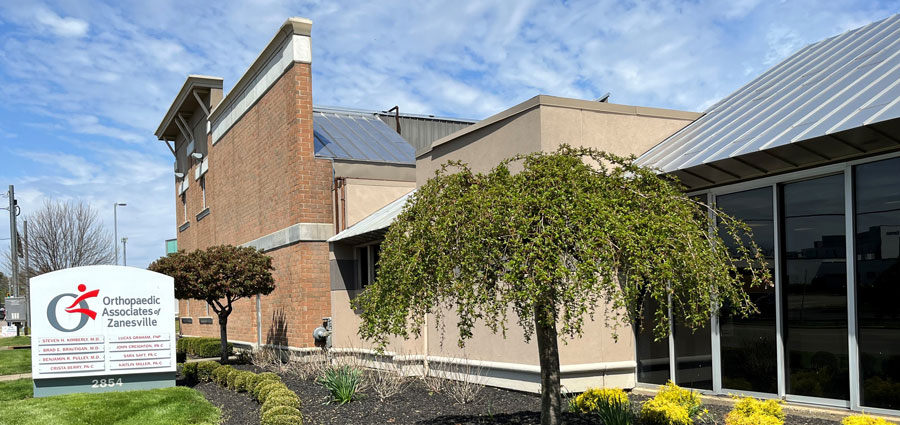
Orthopaedic Associates of Zanesville

Orthopaedic surgeon

Avoiding Baseball Injuries

Tuesday, April 26th, 2011

Spring is here and that means baseball season is starting up for little leaguers, high school students and adults. The most common injuries from baseball are joint sprains, muscle and tendon strains and broken bones.

Musculoskeletal injuries include pitcher’s elbow, ankle sprains or fractures, shoulder sprains, and foot and back injuries.

The expert surgeons and staff at Orthopaedic Associates of Zanesville describe injuries commonly associated from playing baseball:

• Pitcher’s elbow – This is caused by overuse/repetitive throwing and is an inflammation of the elbow joint.

• Ankle sprains and fractures – Batting and throwing aren’t limited to the upper body but also to the lower body. Twisting the wrong
way, getting hit with a piece of equipment or even sliding into base can cause a sprain or even a break.

• Shoulder sprains– This injury happens from throwing and catching the ball and overexerting oneself while at bat.

• Foot injury – Wear proper footwear when playing baseball. Sneakers don’t always protect against foot injuries like stubbed toes or
getting hit in the foot with a bat or ball.

• Back injury – Catching or picking up balls, bending to catch a low ball or jumping at an abnormal angle can all cause back injuries.

Flexibility is key to preventing injuries. Warm up the muscles and be sure to stretch them out after a game or practice. Play ball!

Preventing Sports-Related Knee Injuries

Tuesday, February 1st, 2011

The experienced surgeons and expert staff at Orthopaedic Associates of Zanesville, see many knee injuries resulting from playing sports like skiing, snowboarding, running, football, basketball and hockey. Knee injuries are most common in people who are active in sports.

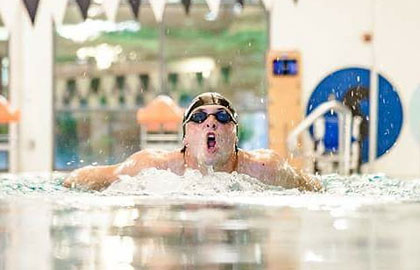
It’s advisable to choose activities and sports wisely and that the activity is suitable for your knee strength. If you have had a knee injury or past pain, stick with activities that have low impact on the knees such as walking, swimming, baseball and cross country skiing.

No matter what the activity, people should wear knee protection like compression bandages or for more intense sports, wear hard kneepads.

Strong muscles around the knee, like thigh (quadriceps) and hamstring muscles, help to create balance, stretching warms up the muscles. Other warm up activities should concentrate on building balance, power and agility.

If you begin to feel knee pain don’t push it. After you’re done exercising or participating in an activity, apply ice to reduce swelling and increase blood flow.

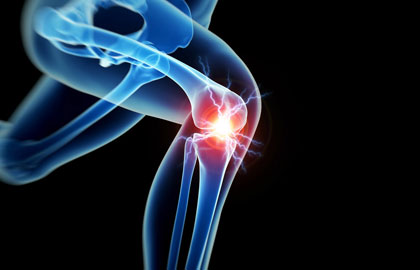
Know your body. The most common sign of a knee problem is swelling. Swelling is caused when excessive fluid collects in the membrane of the knee capsule. The fluid is produced because of some sort of trauma or overuse to the area.

Good Food for Good Joints

Thursday, January 6th, 2011

Happy New Year from Orthopaedic Associates of Zanesville! With a new year come resolutions of better eating. Believe it or not, there are specific foods that help with the slowing of the wear and tear of joints.

Berries (strawberries, blueberries, raspberries), citrus fruits, cantaloupe, spinach and broccoli are all rich in vitamin C. Vitamin C is important in the formation of collagen which is a key component in cartilage and bone and helps reduce the risk and progression of osteoporosis.

Vitamin B may help joint inflammation and pain. There are several types of vitamin B. Niacin or B-3 is found in lean meats and fish, tofu, cottage cheese and sunflower seeds. Pantothenic acid or B-5 foods are meat, eggs, soybeans, wheat germ, whole grain cereals, lentils and peanuts. B-6 is found in meats, fish, whole grains, wheat germ, whole wheat, bananas and soybeans.

Vitamin D and calcium are a dynamic duo because each helps calcium protect bones and joints. Vitamin D is found in fortified dairy products and fish like salmon, halibut, sea bass and tuna.

Vitamin E is a group of fat-soluble compounds with distinctive anti-oxidant activities and helps with osteoarthritis pain and leg cramps. Vitamin E is found in almonds, hazelnuts, sunflower, safflower seeds, wheat germ, whole-wheat flour and various fruits and vegetables.

Remember to always balance your healthy food choices with movement and exercise to keep joints healthy.

Tips To Prevent Injuries While Shoveling

Monday, December 6th, 2010

The season’s first snow has arrived and the orthopaedic surgeons at Orthopaedic Associates of Zanesville would like to offer some helpful hints for safe shoveling techniques.

Let’s face it, shoveling snow is an unpleasant, mundane winter task that no one really enjoys doing. The constant bending and lifting of heavy amounts of snow can be a burden on our bodies. Sprains or injuries can occur in the back, shoulders and arms if you aren’t cautious when shoveling.

People who don’t exercise regularly should be extra cautious because the muscles are not used to the type of movement involved with shoveling. It is always important to take breaks and rest when needed.

Follow these tips to prevent injuries while shoveling:

  • Know what you’re shoveling: While this sounds like common sense, snow can accumulate unevenly and make dangerous ice patches hard to detect.
  • Start early and shovel often: Start shoveling when there is a light coat on the ground and gradually maintain as new snow falls. This prevents the snow from piling up and becoming too heavy to move.
  • Warm up your muscles: Do some light exercises to get the blood flowing. Shoveling is vigorous work, so be prepared.
  • Pace yourself: Remember to stay hydrated and take breaks. Shovel a clear path and save the rest for later.
  • Shovel size. Be sure to use a shovel that is appropriate for your height or invest in one that is ergonomically correct. Don’t use a shovel that causes you to bend over too much.
  • Push snow, don’t lift it. Lift snow in small amounts and lift with your legs. Squat with feet apart, knees bent and back straight. Lift the snow-filled shovel by straightening your legs without bending at the waist and walk to where you want to dump the snow.
  • Don’t throw snow over your shoulder. Doing this requires the body to twist, which puts stress on the back.

Happy Holidays!

Orthopaedic Associates of Zanesville Receives MRI Accreditation

Thursday, October 21st, 2010

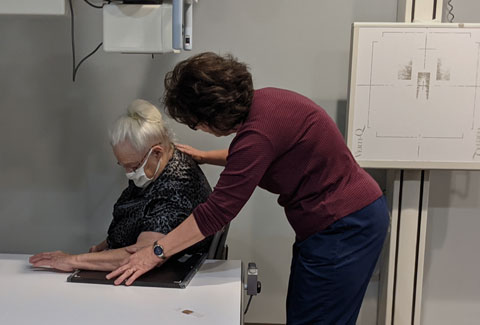
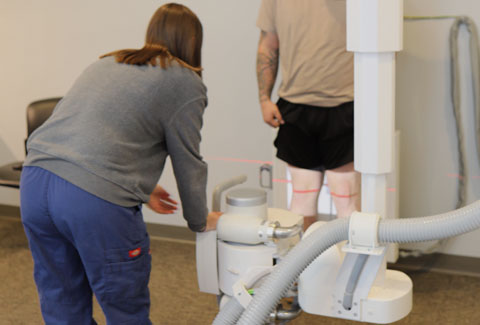
ZANESVILLE, OHIO – Orthopaedic Associates of Zanesville is being recognized for its department of radiology services.

The practice’s Musculoskeletal MRI scanner is among the first 500 in the nation to gain accreditation from the Intersocietal Commission for the Accreditation of Magnetic Resonance Laboratories (ICAMRL).

ICAMRL, a nationally-recognized accreditation commission, granted Orthopaedic Associates of Zanesville the accreditation as a result of its superior operational and technical use, adherence to procedures and its diagnostic capabilities.

“Orthopaedic Associates of Zanesville is committed to providing our patients with high-quality care using state-of-the art equipment,” said Karl Saunders, MD, president of Orthopaedic Associates of Zanesville. “We believe in quickly diagnosing our patients’ concerns and getting them back to what’s most important—living life.”

The ICAMRL is a member of the Intersocietal Accreditation Commission (IAC), an organization that provides oversight and management services to each member of its accrediting bodies. The ICAMRL is one of the leading organizations for ensuring medical practices uphold quality diagnostic procedures.

About Orthopaedic Associates of Zanesville
Orthopaedic Associates of Zanesville is a full service, comprehensive, state-of-the-art orthopaedic center of excellence, with a mission dedicated to relieving pain and restoring an active lifestyle in each patient. Orthopaedic Associates of Zanesville has a team of highly skilled, board certified orthopaedic surgeons and specialized health care professionals. For more information, visit www.orthozane.com

Media Contact:
Brynn Burton
Paul Werth Associates
Phone: (614) 224-8114
E-mail: bburton@paulwerth.com