Orthopaedic Associates of Zanesville

Zanesville ohio physical therapy

The History of Physical Therapy

Wednesday, November 16th, 2011

Just like sports medicine, physical therapy began in ancient Greece. Hippocrates, an ancient Greek physician and a prominent figure in the history of medicine, advocated for massage and Hector used water therapy.

The earliest documents of physical therapy only date back to 1894 when English nurses formed the Chartered Society for Physiotherapy.

Physical therapy began in the U.S. in 1914 at Reed College in Portland, Oregon. The first known graduates of a physical therapy program were known as reconstructive aides.

Like other medical professions, research is an important aspect of physical therapy. The first published research of physical therapy was in 1921 in The PT Review.

1921 – The year the American Women’s Physical Therapeutic Association was founded. Association changed to the American Physiotherapy Association in the 1930′s and officially became the American Physical Therapy Association in the late 1940′s. Educational institutions began establishing standards and programs became accredited.

1924 – Georgia Warm Springs Foundation came into existence and emphasized working on physical therapy related to polio.

1940’s – Physical therapy mainly consisted of exercise, massage and traction.

1950’s – Therapists started to move beyond hospitals.

1974 – Specialization in physical therapy started. The APTA formed an Orthopaedic section for those physical therapists focusing on the practice of orthopaedics.

1980’s – Technology and computers lead to more advances in rehabilitation. Computerized modalities, ultrasound and electric simulators are technologies that helped advance the practice of physical therapy.

1990’s – Attention to manual therapy and formal residency programs are becoming more numerous.

If you’re interested in finding out more about physical therapy and what we do here at OAZ, please contact the office.

OAZ Talks Trail Running Injuries

Wednesday, July 27th, 2011

Trail running not only gives runners and joggers a beautiful, natural atmosphere, it also provides a great alternative to running on treadmills, streets and sidewalks. Running on dirt is also less shocking on the body, which can result in fewer injuries. However, while trail running may reduce injuries, it does not eliminate all injury risk. Orthopaedic Associates of Zanesville Ohio Sports Medicine experts share the five most common trail running injuries:

1) Knee Pain

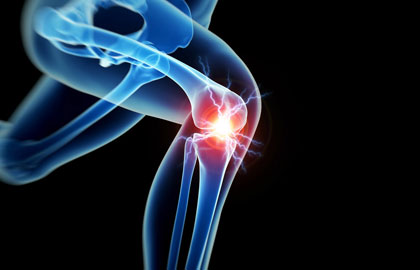
This is a common sports injury that can also occur when running on a treadmill or street; however, it can be even more severe when on a trail. The impact of running downhill can produce stress on the knee that is five to eight times your body weight. Since the knee absorbs most of the shock of the landing, downhill running makes your knee more susceptible to injury. Repetitive downhill running can increase the stress on your knees, which can result in inflammation and pain during non-running activities. The most important preventive measure trail runners can take is strengthening their quadriceps. If you’re new to trail running, you should gradually introduce your hill mileage. It’s also important to slow the pace when running downhill.

2) Ankle Sprains

Ankle sprains are a common injury among trail runners because the imperfections of the trail can cause an uneven landing. In addition to just having bad luck and missing a step, there are other reasons trail running can result in an ankle sprain.

As previously mentioned, do not run downhill too fast, especially with an extended stride that causes landing on the heel. Landing on the ball or your mid-foot will give

The body’s center of gravity and how far the runner’s foot lands in front of it is out of their control. Try to remember that the closer the foot lands under your center of gravity, the more stable you are. The longer the strides, the less stable you are because your foot is falling farther away from your center of gravity.

3 ) Achilles and Calf Strains

Running uphill frequently causes Achilles and calf strains. If you’re used to running with little or no elevation, you should approach hills slowly and not be afraid to walk up them. When running uphill, technique is also very important. Trail runners need to keep their stride short and lift their heels early.

4) Lower Back Pain

Lower back pain can result from lots of downhill running that causes the body to lean slightly backwards. The same way that knee pain results from the body’s absorption of five to eight times one’s body weight, the back can also absorb that weight and cause back pain. To prevent lower back pain from trail running, make shorter strides and land closer to your center of gravity. It is also important not to go full-speed ahead when tackling the downhills.

5) Shin Splints

Shin splints can happen at any time when someone is running, whether on a trail, treadmill or on the street. The muscles in the lower leg have two functions: one, to stabilize and two, to decelerate the foot and ankle during contact with the ground. Runners need the most stability when running on uneven surfaces, like when trail running. A runner also decelerates when running downhill. The uneven trail, plus steep downhills can causes shin splints.

Runners also need to be sure to wear the proper footwear when trail running. Trail running shoes have knobby soles and a lightweight, flexible, nylon layer to protect feet from possible puncture wounds.

As with any new sport, novice trail runners need to take it easy, be careful and ease into it.

Ortho Zane Talks Back Injuries

Thursday, May 12th, 2011

At one time or another you may experience minor back pain. Back problems occur from sports or recreational activities, work-related tasks or home projects and can impact the neck, all the way down to the tailbone.

The expert surgeons and staff at Orthopaedic Associates of Zanesville believe that injuries frequently occur when you use your back muscles in activities that you do not do very often.

Some people are more likely to have chronic back pain because of age, family history, sitting for long periods of time, lifting or pulling heavy objects incorrectly or from worn discs (degenerative disc disease).

Sudden injuries may take several weeks to heal properly and include:

• Sprains or strains
• Fractures
• Bulging or ruptured discs
• Compression of nerves

Sprain or strain Injuries occur most often from improper movement or posture while lifting, standing, walking, sitting or even sleeping. Symptoms may occur gradually or suddenly during everyday activities.

Post-surgery Physical Therapy from OAZ Supports Recovery

Friday, May 7th, 2010

The highly qualified Ohio physical therapy team at OAZ are trained to work with patients after surgery to restore activity, strength, and motion. Physical therapists can teach specific exercises, stretches and techniques and use specialized equipment to address problems that cannot be managed without this specialized physical therapy training.

Generally, there are six stages of recovery:

Phase One (first couple of weeks after surgery): This period of the rehabilitation is called the early rehabilitative phase. This phase focuses on decreasing the pain and swelling following surgery.

Phase Two (weeks three and four): In the second rehabilitation phase, more attention is placed on joint protection as the pain has mostly disappeared and the individual may want to try more things that the joint is not ready to perform.

Phase Three (week four to six): Referred to as the controlled ambulation phase, this includes all building on the former exercises already in place plus adding few more. This is an important time for exercises requiring improved balance both in the clinic as well as the home program.

Phase Four (week six to eight): Known as the moderate protection phase, weights may be added to gradually increase resistance to existing exercises.

Phase Five (week eight to 10): This light activity phase places additional emphasis on strengthening exercises with increased concentration on balance and mobility.

Final Phase – Return to Activity: The final phase starts at about 10 weeks and continues until the desired activity level is reached.

To learn more about post-surgery PT, contact the Ohio physical therapy team at OAZ.

Ohio Physical Therapists Explain Various Treatments

Thursday, March 11th, 2010

In addition to stretching and physical movement, Ohio physical therapists at OAZ have additional treatments such as electrical stimulation and ultrasound.

Electrical stimulation is a therapy that passes an electrical current to an affected area. Nerve conduction within the region is altered, which can in turn alter muscle contractility. Blood flow to these tissues is also increased with electrical stimulation. Patients often experience diminished pain after this electrical stimulation of treatment.

Ultrasound uses high frequency sound waves to stimulate the deep tissues within the body. By passing an ultrasound probe over your body, deep tissues are stimulated by the vibration of the sound wave. This leads to warming and increased blood flow to these tissues.

Ask the Ohio physical therapists at OAZ if these treatments can help you.