Central Ohio’s Top Orthopedics Practices Come Together for Region’s First Co-Branded Physical Therapy Clinic
50+ Specialists Jointly Offering Care
COLUMBUS, Ohio – Central Ohio’s top orthopedic practices have come together to form the first co-branded physical therapy clinic in the region.
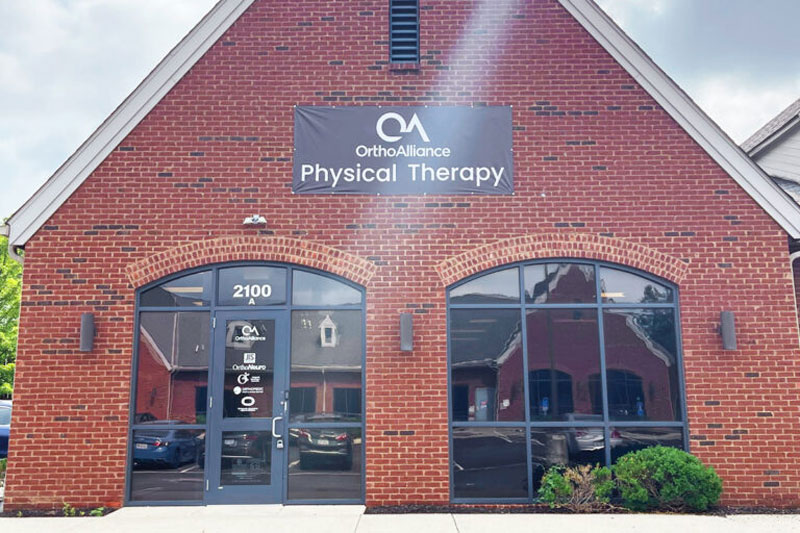
Operating under the banner of OrthoAlliance (OA) – an Ohio-based management services organization – five area practices with more than 50 orthopedic and musculoskeletal specialists will jointly offer physical therapy services at OrthoAlliance Physical Therapy, 2100 Marble Cliff Office Park in Columbus.
Strength In Experience
We are here for your orthopaedic care and treatment


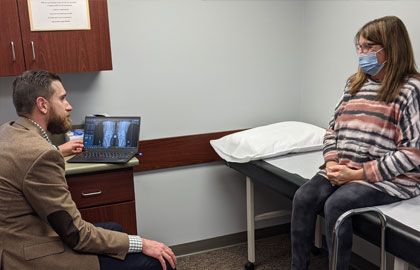

Proud Partner of OrthoAlliance
Orthopaedic Associates of Zanesville is a proud partner of the OrthoAlliance network of practices. OrthoAlliance works with the top orthopedic practices to expand patient access to expert clinicians and best-in-class orthopedic care. Together, our focus is on providing each patient with compassionate, patient-centered, and exceptional comprehensive care.
OrthoAlliance team members work closely with our practice to deliver exceptional patient experiences. Therefore, you may see OrthoAlliance branding on billing statements and other patient communications. If you have questions or would like to learn more about OrthoAlliance, please contact us.
-
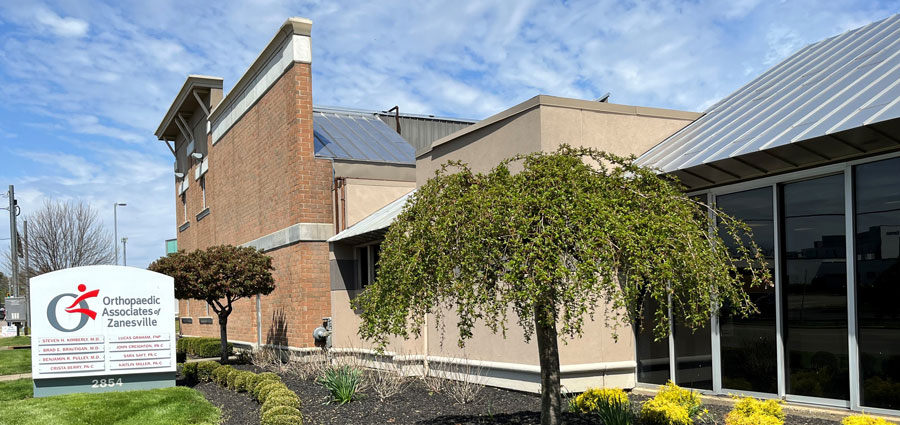
Since 1969
Our experienced doctors and staff have been the leading orthopaedic providers for Zanesville and the surrounding areas. Committed to individualized, compassionate bone, joint, and muscle care for each and every one of our patients, our experts provide superior care without compromise.